Can You Drive an Armored Car Every Day? What to Expect
An armored vehicle can serve as a daily driver, but its suitability starts with how the conversion is planned. The vehicle platform, protection package, passenger requirements, and intended use all influence how the finished vehicle performs.
At Quality Coachworks, we approach those decisions together. A vehicle used for daily family transportation has different requirements than one built for a security team or executive transport. The goal is to select the protection and supporting upgrades that fit how the vehicle will actually be used.
Here is what buyers should understand before making an armored vehicle part of their everyday routine.
How Does an Armored Vehicle Drive Differently?
The most noticeable mechanical difference is added weight. Ballistic glass and opaque armor increase the load carried by the vehicle, which can affect acceleration, braking, cornering, and ride quality.
How much the driving experience changes depends on the platform and the conversion. Armor materials, coverage, and protection level all contribute to the finished weight. Passengers, luggage, and interior customizations must also be considered when evaluating the vehicle’s capacity.
This is why supporting components deserve as much attention as the armor itself. Suspension, brakes, wheels, tires, and door hardware need to be evaluated for the completed configuration. A suspension upgrade alone does not increase the vehicle manufacturer’s weight ratings.
For the driver, a familiarization period is worthwhile. Getting comfortable with the finished vehicle’s braking response, steering, and dimensions should happen before it enters a busy daily schedule.
Can It Still Look and Feel Like a Regular SUV?
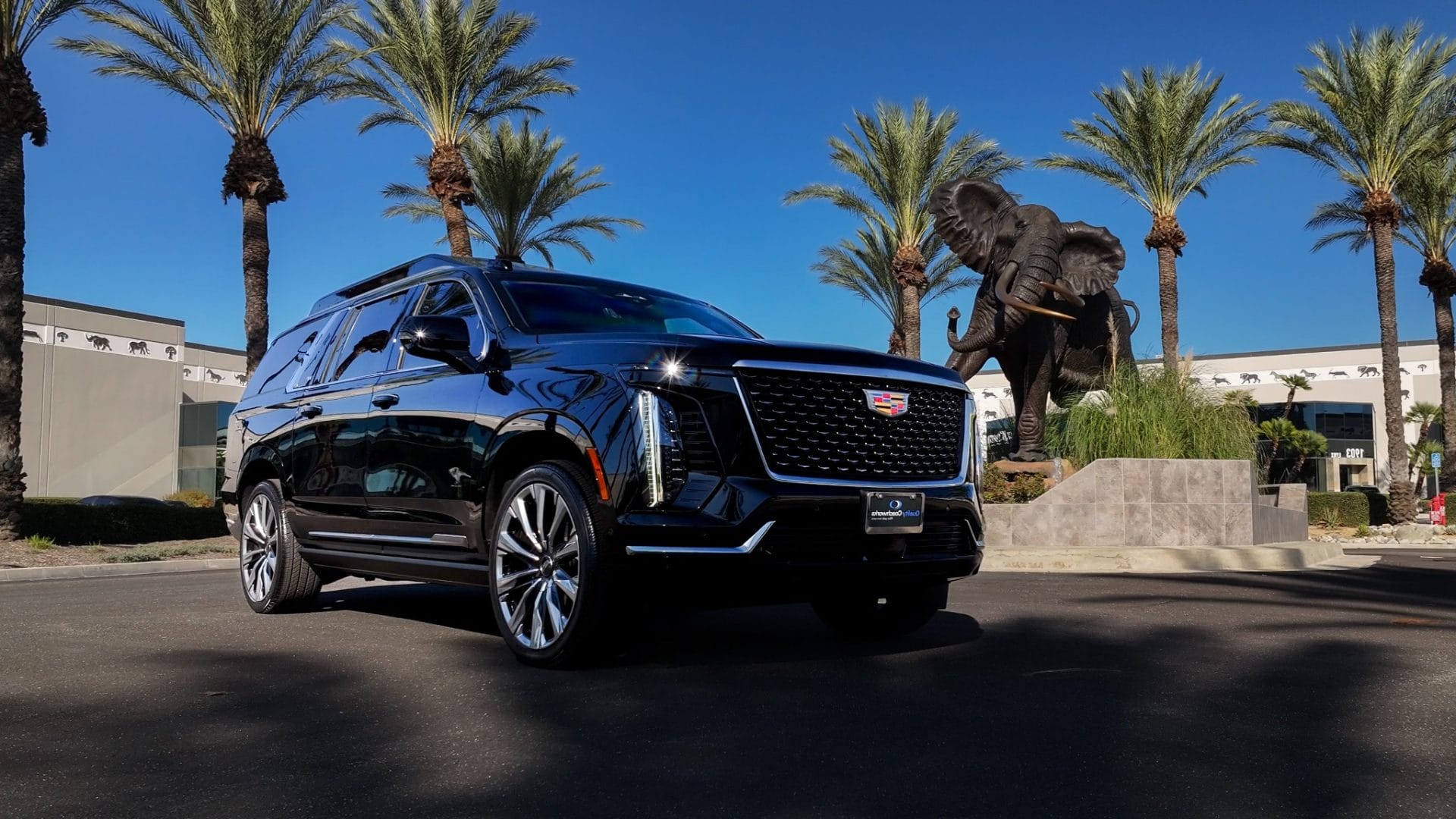
Many civilian armored vehicles retain the recognizable exterior of the original vehicle. An Escalade, Suburban, or Mercedes-Benz SUV can incorporate substantial protective features while maintaining an understated appearance.
Inside, the result depends on the scope of the build. Some clients want to preserve the factory seating layout and interior character. Others combine armoring with an executive conversion that adds a partition, custom seating, communications equipment, or entertainment systems.
Those choices need to be planned together. Armor integration and interior customization both affect available space, weight, and access to vehicle components.
For everyday use, the right layout is often the one that keeps the features you use most convenient: comfortable entry, practical seating, useful cargo space, and accessible controls.
What Changes With the Windows and Doors?
Windows and doors are two areas where owners may notice differences immediately.
Ballistic glass is thicker and heavier than factory automotive glass. Depending on the vehicle and protection package, windows may have limited travel or remain fixed. Buyers should confirm which windows operate and how far they open before finalizing the build.
That detail matters during ordinary tasks such as using a parking kiosk or visiting a drive-through.
Armored doors also require attention to their increased weight. Hinges, supports, and related hardware must be appropriate for the conversion. Owners should follow the builder’s instructions for operating the doors and windows, including avoiding unnecessary force.
These are manageable ownership considerations, but they should be explained before delivery.
What Maintenance Does an Armored Vehicle Need?
While every custom luxury vehicle follows a different timeline, the goal remains the same: delivering a finished product that meets the highest standards of craftsmanship, engineering, and quality. From proven vehicle platforms to completely one-of-a-kind builds, every project receives the attention to detail required to ensure it’s built right.
Whether you’re planning a six-door SUV conversion, an armored vehicle, an executive transport, or a fully custom specialty vehicle, understanding the scope of the project is the first step in estimating a realistic timeline. At Quality Coachworks, every build is approached with the same commitment to precision, because exceptional vehicles aren’t built by rushing the process.
Choosing an Armored Vehicle for Your Routine
Before selecting a protection package, consider who will drive the vehicle, how many passengers it will carry, where it will travel, and what equipment or luggage needs to fit.
The appropriate protection level should follow an assessment of the threats the vehicle is intended to address. From there, the platform, mechanical requirements, and interior can be planned around that protection and the owner’s daily needs.
At Quality Coachworks, we bring those requirements into the same conversation. Whether you are considering a discreet armored SUV or a customized executive vehicle, careful planning helps create a build that supports both protection and everyday use.
Contact Quality Coachworks to discuss your vehicle, protection requirements, and customization goals